
Clinician’s Corner
Clinician’s Corner is a space for therapists who want to think more clearly, work more effectively, and move beyond surface-level protocols that break down with complex presentations.
This is where I share trainings, consultation groups, and clinical frameworks grounded in evidence-based practice, functional analysis, and real-world application. The focus is on how symptoms work, not just what they look like.
The work here frequently includes OCD, anxiety disorders, eating disorders, trauma, somatic presentations, and the overlap that is often missed in traditional models.
Here you’ll find:
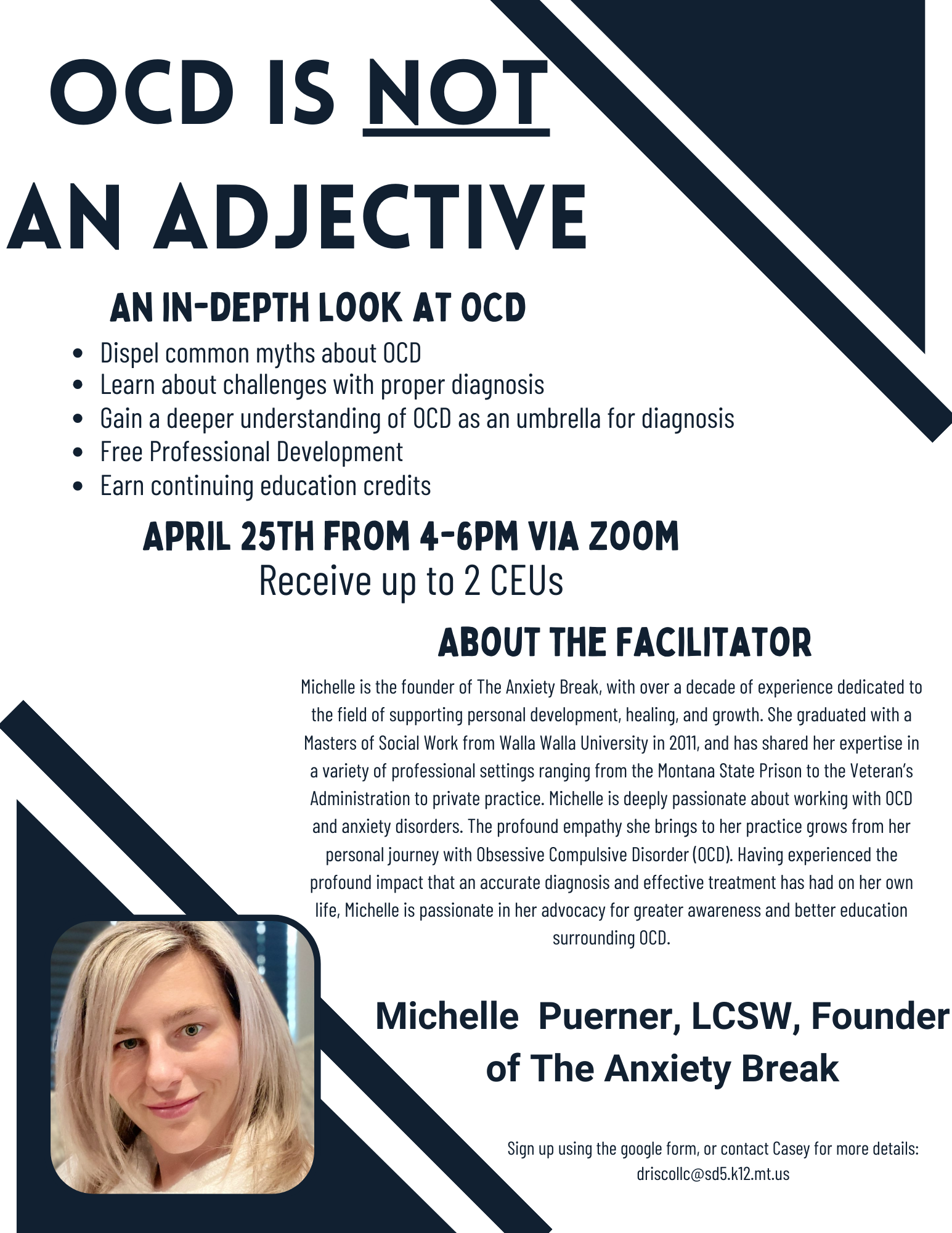
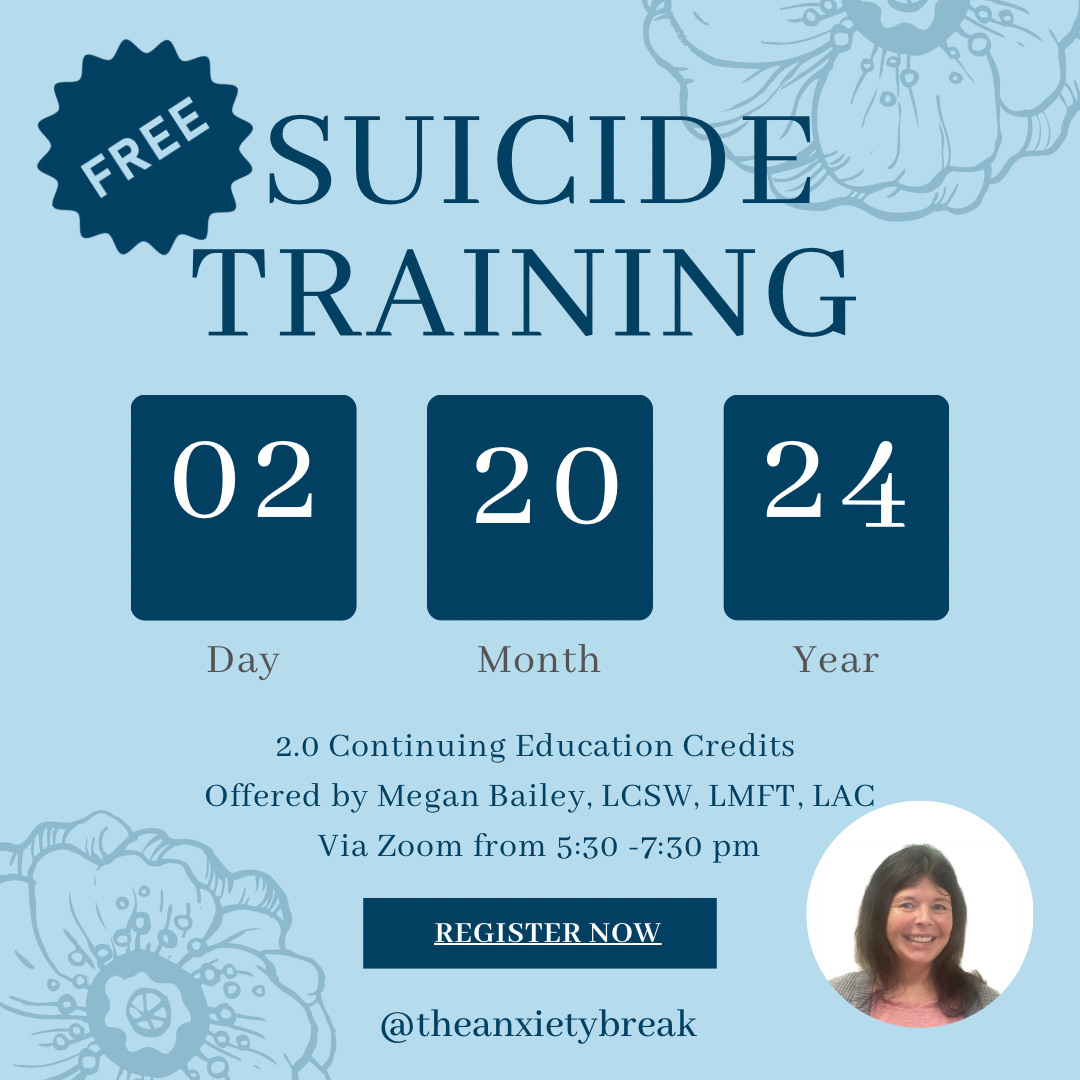
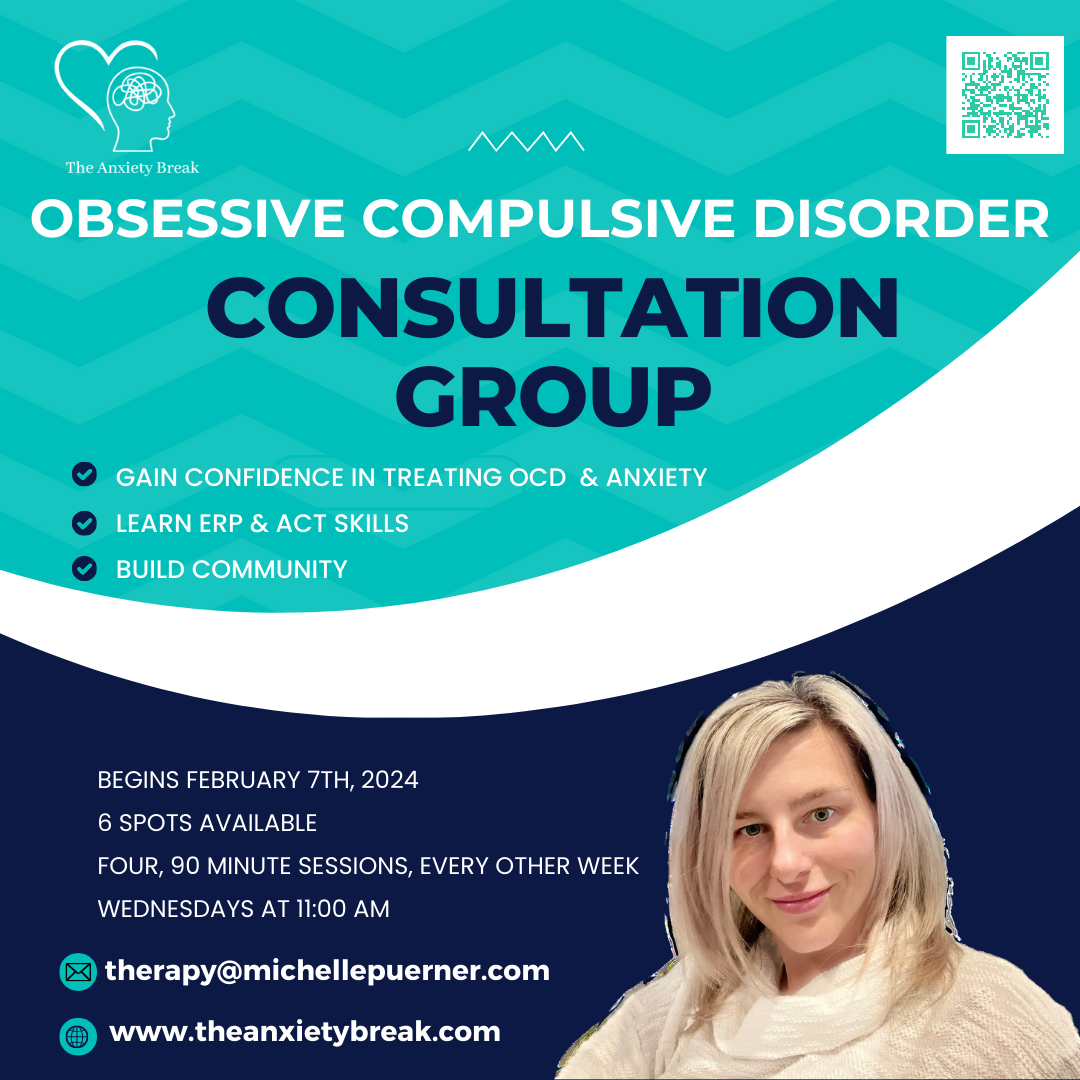
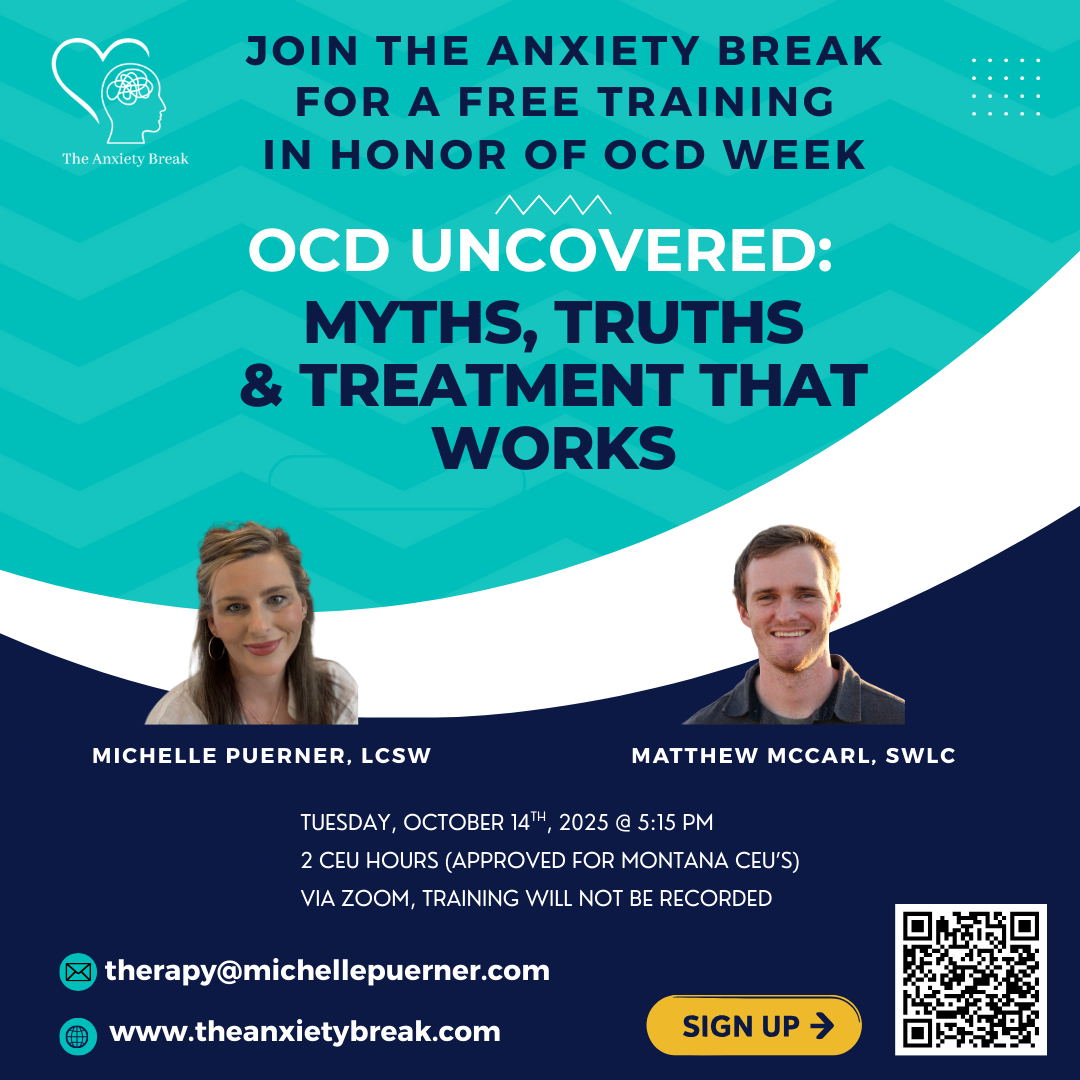
Upcoming trainings and consultation groups
Resources designed to strengthen case formulation, treatment sequencing, and clinical confidence
Feedback and reviews from clinicians who have participated in past trainings and consultations
My approach is direct, practical, and rooted in clinical reasoning rather than rigid adherence to protocols. The goal is not to replace your clinical judgment, but to sharpen it.
Many clinicians who find their way here are already skilled and experienced, yet are looking for a more functional, process-based way to understand what keeps clients stuck and how to intervene more precisely.
If you are interested in deepening your work, expanding your conceptual flexibility, and treating complex cases with greater clarity and confidence, you’re in the right place.
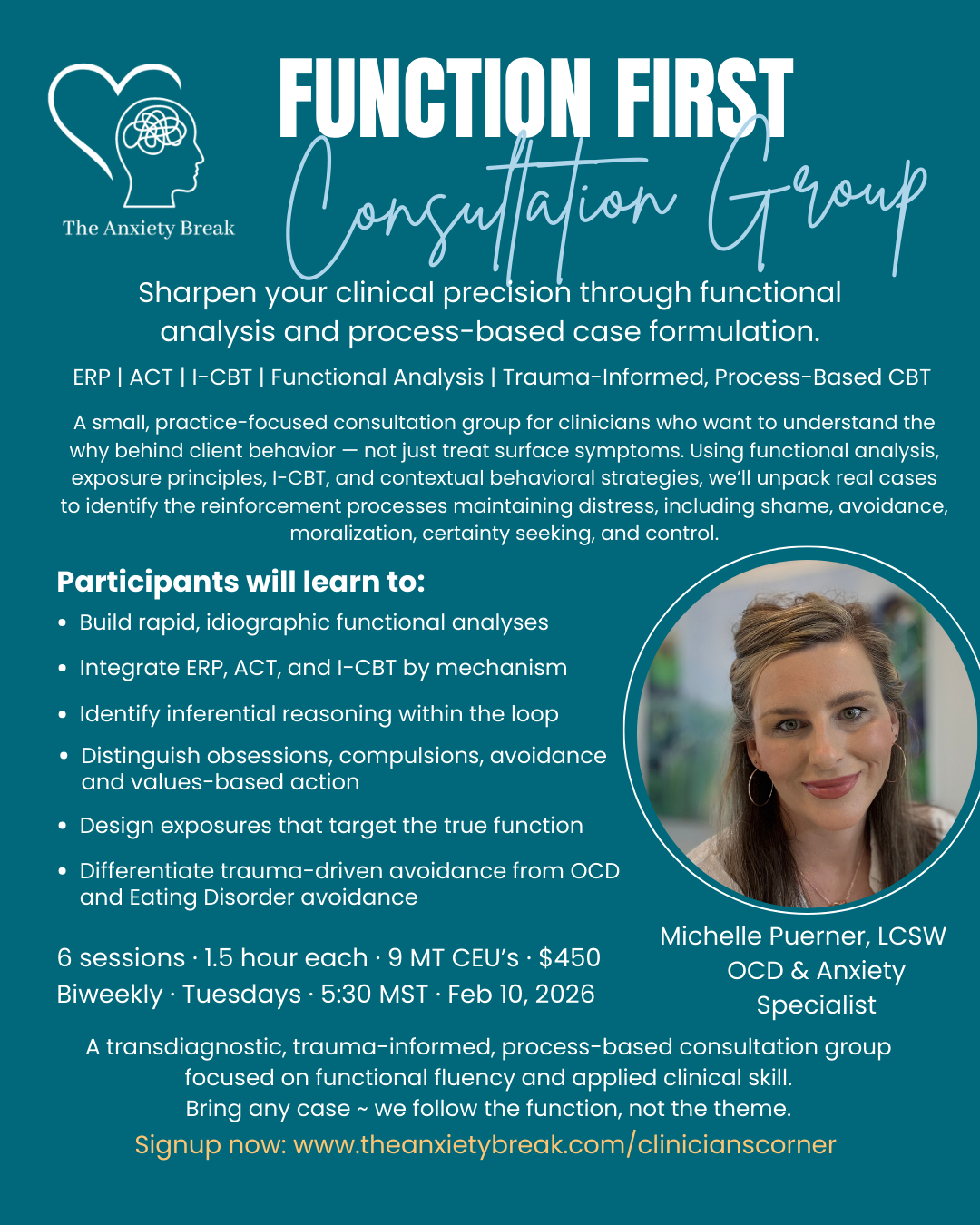
Process-Based Clinical Consultation Group
What You’ll Learn
By the end of this consultation group, participants will be able to:
Conceptualize complex clinical presentations using functional analysis
Identify maintaining processes across disorders, including uncertainty, threat systems, experiential avoidance, inferential confusion, and emotional or moral compulsions
Integrate ERP, ACT, and I-CBT without getting stuck in rigid protocols
Recognize when guilt, shame, or morality are driving avoidance or compulsive behavior
Design exposures and behavioral experiments that target maintaining processes rather than surface symptoms
Support clients in values-based action and sustainable relapse prevention
Communicate clearly and confidently about function-based treatment with clients, families, and other providers
This is a hands-on, small-group training, not a lecture. Each meeting includes applied discussion and real clinical cases.
Who This Group Is For
This group is ideal for clinicians who:
Treat OCD, trauma/PTSD, anxiety disorders, eating disorders, or somatic presentations
Want a more flexible, accurate, and non-algorithmic approach to case formulation
Feel stuck when clients present with overlapping OCD, trauma, or eating-disorder processes
Have training in ERP, ACT, EMDR, CBT, or I-CBT and want a stronger functional framework
Value consultation that is collaborative, thoughtful, and clinically grounded
This group is currently full. A waitlist is open for priority access to the next Function First consultation group.
Session Overview
The Following six sessions build progressively, introducing a shared conceptual framework and then applying it across common maintaining processes seen in OCD, anxiety, trauma, and related presentations. Each sessions blends brief teaching with applied discussion to support real world clinical use.
Session 1: Orientation & Shared Language
Learn a practical framework for understanding how symptoms are maintained across diagnoses. We’ll introduce a functional loop diagram that can be applied to any presenting problem
Session 2: Uncertainty & Threat Systems
Explore how fear, uncertainty, and perceived threat drive many anxiety-based behaviors, even when clients present with different symptoms.
Session 3: Experiential Avoidance & Emotional Compulsions
Understand how avoidance of emotions like guilt, shame, fear, or vulnerability can keep clients stuck, and how these patterns show up in therapy.
Session 4: Inferential Confusion & Imaginative Reasoning
Explore how “what if” thinking and imagined scenarios can drive anxiety-driven behavior. Participants will learn to identify and correct reasoning traps that maintain anxiety and avoidance.
Session 5: Exposure & Approach Learning
Review exposure and behavioral change strategies in a way that applies across OCD, anxiety, and related conditions.
Session 6: Integration & Values-Based Action
Bring the series together by translating process insights into individualized treatment plans and relapse-prevention strategies.
This group is full, if you are interest in participating in the next group, please put your name on the waitlist, and you will be given first option to sign up.
The Review Board
Gone, but not forgotten…